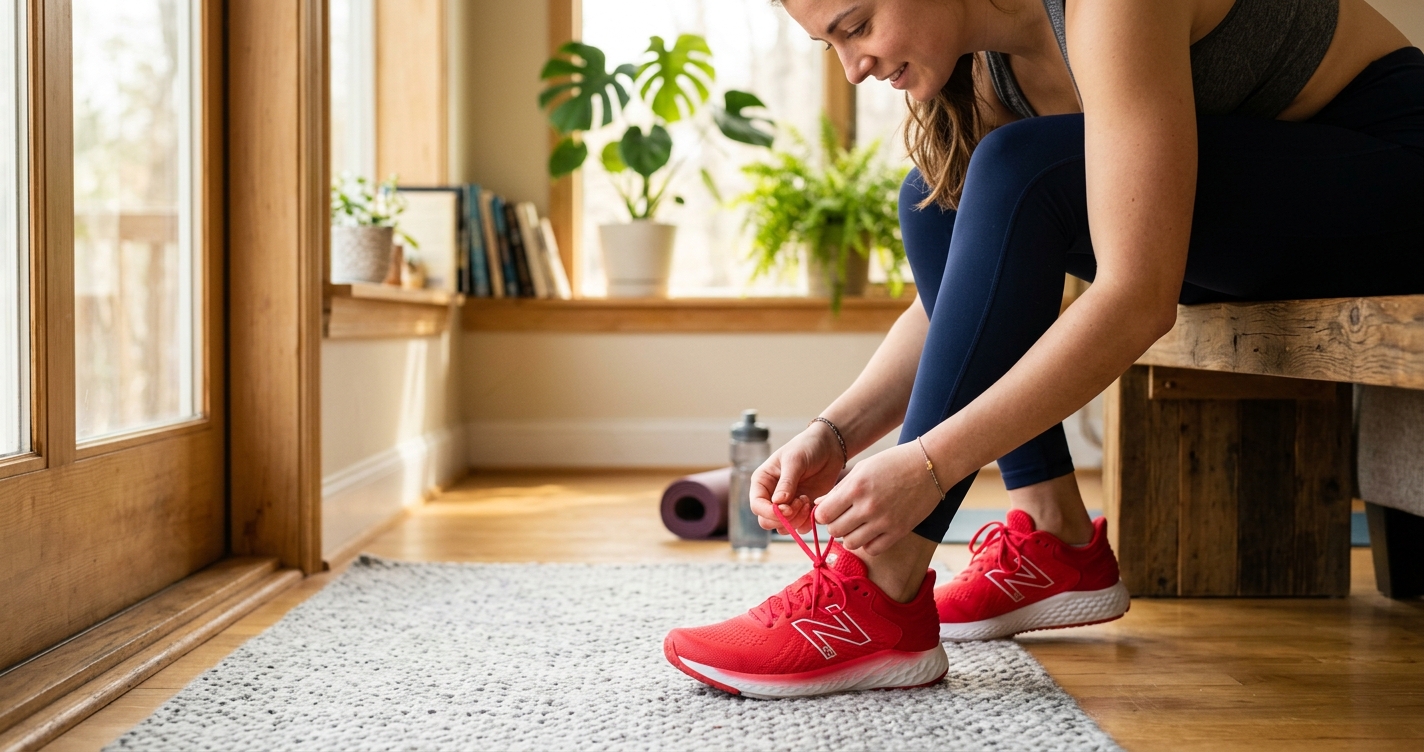
Starting to run is one of the best decisions you can make for your health, fitness, and mental wellbeing. But for many beginners, those first steps can feel intimidating. How fast should you go? What shoes do you need? How do you avoid getting injured? As a professional runner and coach who has worked with hundreds of athletes across the UAE and Gulf region, I've helped countless beginners go from their very first run to completing races. This guide is everything I tell my new runners.
Why Running Is the Best Exercise You Can Start Today
Running requires no gym membership, minimal equipment, and can be done anywhere — from the parks of Dubai to the Corniche of Abu Dhabi. It burns more calories than almost any other exercise, improves cardiovascular health, strengthens bones, reduces stress, and releases endorphins that genuinely make you happier. The research is clear: regular runners live longer, healthier, more energetic lives.
But the biggest benefit I see as a coach isn't physical — it's the discipline and confidence that come from achieving something you thought was impossible. The runner who completes their first 5km is a changed person.
Step 1: Get the Right Running Shoes
Your shoes are the single most important piece of equipment. Worn-out or wrong-fitting shoes are the #1 cause of running injuries in beginners. Here's what to do:
- Visit a running specialist store (not just a sports shop) where staff can analyze your gait and recommend the right shoe type.
- Get properly fitted — running shoes should have a thumb's width of space between your longest toe and the shoe's end.
- In the UAE, breathable mesh upper shoes are ideal for our heat. Look for good cushioning if you'll be running on hard road surfaces.
- Budget AED 300–800 for a quality pair — it's worth it to avoid injury.
"The right shoe for you is not the most expensive or the most popular — it's the one that fits your foot shape and running style perfectly."
Step 2: Start With Run-Walk Intervals
The biggest mistake beginners make is going too hard, too fast, too soon. The result? Exhaustion, discouragement, and often injury. Instead, start with run-walk intervals:
Week 1–2 Beginner Plan
- Warm up: 5 minutes brisk walking
- Alternate: 1 minute running / 2 minutes walking × 8 rounds
- Cool down: 5 minutes easy walking + stretching
- Frequency: 3 times per week (Mon, Wed, Sat)
- Total time: ~30 minutes
Each week, gradually increase the running portion and decrease the walking. By week 6–8, most beginners are running continuously for 20–30 minutes.
Step 3: Learn to Pace Yourself
The most important concept for beginner runners is the conversational pace. If you can't hold a conversation while running, you're going too fast. Your easy runs should feel comfortable — almost embarrassingly slow. This is not weakness; it's smart training.
Most beginners run their easy runs 60–90 seconds per kilometer too fast. Slowing down actually builds better fitness, because it keeps your body in the aerobic zone where endurance adaptations happen.
Step 4: Running Form Basics
Good form reduces injury risk and makes running more efficient:
- Head: Look ahead 10–15 meters, not at your feet
- Shoulders: Relaxed, not hunched up near your ears
- Arms: Bent at 90 degrees, swinging forward-backward (not across your body)
- Hands: Relaxed, as if holding a crisp — don't clench
- Core: Engaged but not rigid — a slight forward lean from the ankles
- Feet: Land under your hips, not far in front of you
- Cadence: Aim for 170–180 steps per minute — short, quick steps
Step 5: Respect the Weather (Especially in UAE)
Running in the UAE heat requires special consideration. From April to October, I strongly recommend:
- Run early morning (5:00–7:00 AM) or after sunset (7:00–9:00 PM)
- Stay hydrated — drink water before, during, and after every run
- Wear moisture-wicking, light-colored clothing
- Never ignore signs of heat exhaustion: dizziness, nausea, stopping sweating
Step 6: Build the Habit Before the Distance
Consistency is more important than any single workout. Here's what I tell all my beginner clients: your goal in the first month is not to run fast or far — it's to run three times per week, every week. The distance and speed will come naturally if you show up consistently.
Put your runs in your calendar. Lay out your gear the night before. Find a running buddy or join a local running group. These small habits make the difference between someone who runs for a week and someone who runs for life.
Step 7: Listen to Your Body
There is a difference between effort (normal discomfort during exercise) and pain (a warning sign of injury). If you feel sharp pain, especially in joints — stop and rest. Trying to run through genuine pain always makes things worse. A few days off now beats a few months on the injury list.
Your First Goal: The 5km Run
Set your first goal: completing a 5km (3.1 miles) run without stopping. With consistent run-walk training, most beginners achieve this within 6–10 weeks. Once you can run 5km continuously, you've built the foundation for anything — 10km, half marathon, marathon. The sky is truly the limit.
Quick Start Checklist for Beginners
- ✓ Get proper running shoes (visit a specialist store)
- ✓ Start with run-walk intervals (not continuous running)
- ✓ Run at conversational pace — if you can't talk, slow down
- ✓ Run in the early morning or evening (UAE climate)
- ✓ Commit to 3 runs per week minimum
- ✓ Take at least one full rest day between runs
- ✓ Set a first goal (5km race or park run)
Starting to run is simple — but doing it correctly from the beginning means you'll avoid injury, enjoy the process, and build a habit that lasts a lifetime. If you're ready to take your running to the next level with a personalized program, I'd love to help.
Ready to Start Your Journey?
Get a personalized beginner running program from Coach Noaman. Structured, safe, and designed for your goals.
View Programs Ask Noaman